Grow Potatoes Effortlessly: The Surprising Truth About Their Return Next Season
For many aspiring gardeners, the dream of a thriving vegetable patch often collides with the reality of time constraints and demanding plant care. But what if we told you that one of the most beloved staple crops could be grown with astonishingly minimal effort, delivering a bountiful harvest even if you practically forget about it? And once you experience that triumph, the next natural question arises: will those magnificent potatoes return to bless your garden next year, or is it a one-time endeavor? Prepare to have your gardening perceptions challenged, as we delve into the incredible resilience of potatoes and whether they’re annual guests or perennial residents in your soil.
The "Set It and Forget It" Potato Experiment: A Bountiful Surprise After Three Months
Imagine planting a crop, walking away, and returning months later to a subterranean treasure hunt. This isn't a gardener's fantasy; it's exactly what happened in a remarkable experiment that proved potatoes might just be the easiest vegetable you can grow. We witnessed firsthand what happens when
we planted potatoes and came back 3 months later, having done absolutely nothing in between.
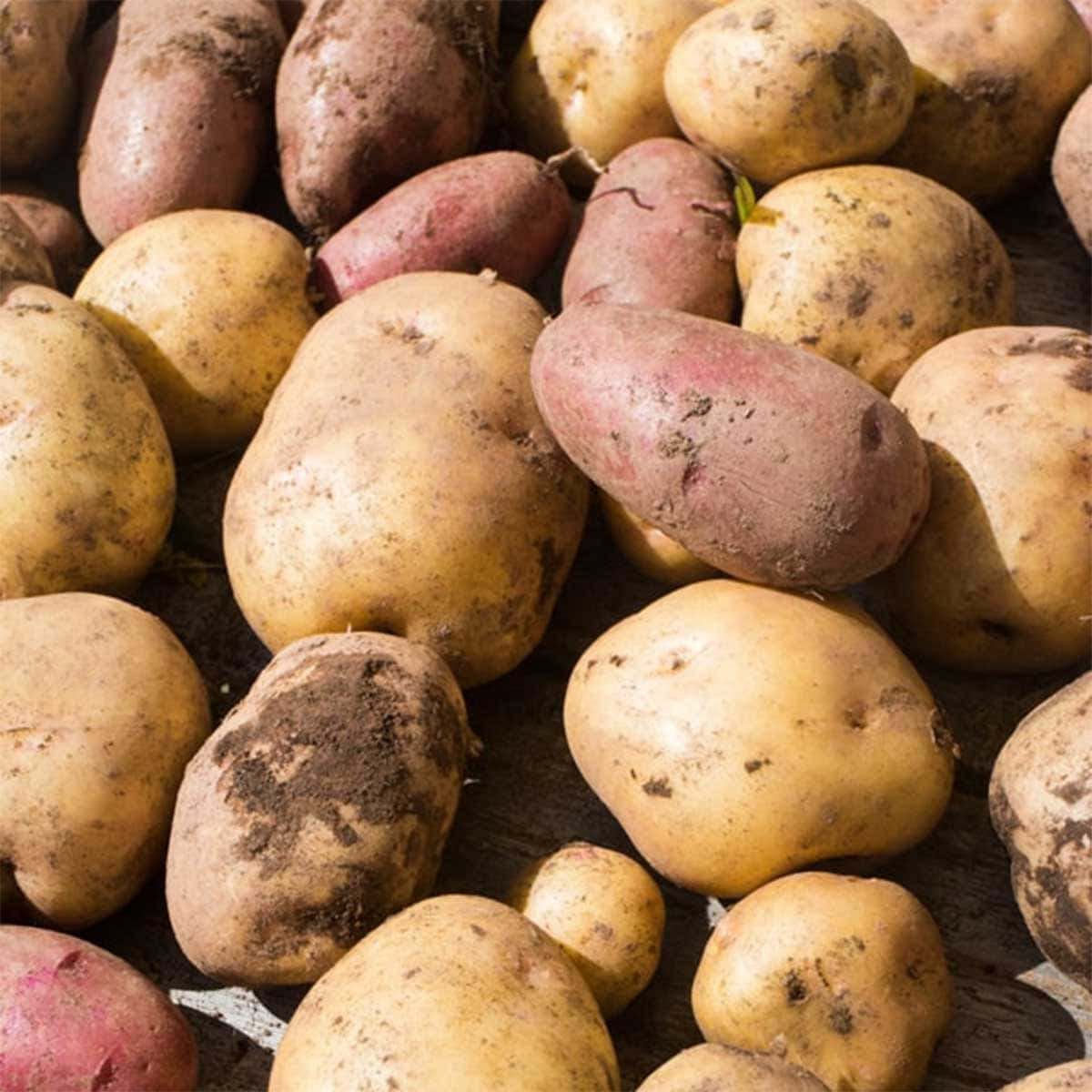
The setup was simple: seed potatoes – both classic Red and creamy Yukon varieties – were nestled into the soil of an upstate garden bed. No fuss, no meticulous preparation, just dug holes and planted. Then, life happened. The gardeners’ schedules didn't allow for visits, so there was no watering, no hilling or mounding of soil around the growing plants (a technique usually recommended to protect tubers from sunlight and increase yield), and certainly no weeding. The plants were left entirely to their own devices, competing with whatever natural flora decided to sprout alongside them.
After precisely three months, roughly 90 days – the average time it takes for most potato varieties to mature – the moment of truth arrived. The initial search was disheartening; the potato plants were obscured by weeds, seemingly vanished. But persistence paid off. With a little more digging, the soil began to reveal its secret: dozens of beautifully formed potatoes, waiting patiently underground. This extraordinary yield, achieved with virtually no human intervention, proved that potatoes possess an incredible hardiness. Mother Nature truly took care of them, demonstrating that even with minimal effort, you can still enjoy a rewarding harvest. It makes a strong case for potatoes being
the easiest vegetable to grow.
Unearthing the Secrets of Effortless Potato Cultivation
The success of the "set it and forget it" experiment isn't just a fluke; it speaks to the fundamental nature of potato plants. Potatoes (
Solanum tuberosum) are remarkably self-sufficient, relying heavily on their ability to draw nutrients and moisture from the soil and grow tubers as a storage mechanism for energy. This inherent resilience is what makes them such a fantastic choice for beginner gardeners or those with limited time.
While our experiment showed that *some* yield is possible with *no* care, understanding a few basics can significantly enhance your success and produce an even more impressive bounty:
- Choosing Seed Potatoes: Always start with certified disease-free seed potatoes, not grocery store potatoes which may be treated to prevent sprouting or carry diseases.
- Planting Depth and Spacing: Plant seed potatoes about 4-6 inches deep and 12-15 inches apart, with rows spaced 2-3 feet apart.
- Soil Requirements: Potatoes thrive in well-drained, loose, slightly acidic soil. Adding compost before planting improves soil structure and fertility.
- Watering (Optional, but Recommended): While our experiment received no supplemental water, consistent moisture, especially during tuber formation, leads to larger and more abundant potatoes. Aim for about 1 inch of water per week, either from rain or irrigation.
- Hilling/Mounding (Optional, but Yield-Boosting): As potato plants grow, mound soil up around the stems (called "hilling"). This encourages more tubers to form along the buried stem and protects developing potatoes from sunlight, which can turn them green and inedible. Our experiment proved it's not strictly necessary for *any* yield, but it definitely helps maximize your harvest.
Even without adhering to every best practice, the sheer volume of potatoes we unearthed after three months of neglect underscores their forgiving nature. This robust plant simply wants to grow, given a chance.
Will Your Potatoes Return Next Season? The Annual vs. Perennial Debate
Once you’ve experienced the joy of digging up homegrown potatoes, it’s natural to wonder if this effortless bounty will magically reappear next year. Do you need to replant those delicious tubers, or will they simply sprout anew from any leftover spuds in the soil? This question delves into the botanical classification of potatoes and their behavior in different climates.
Technically, potatoes are classified as
tender perennials. This means that in their native, frost-free environments (like the Andean highlands where they originated), a potato plant *could* continue to grow and produce tubers year after year. However, in most temperate climates where gardeners typically reside, potatoes are grown as
annuals. This distinction is crucial for understanding whether they will "return."
Here's why:
*
Frost Sensitivity: Potato plants are highly susceptible to frost. A hard freeze will kill the foliage and can damage any shallow tubers in the ground.
*
Tuber Survival: If potatoes are left in the ground over winter in a region with mild winters (Zone 7 and warmer), or if they are buried deeply enough to be insulated from freezing temperatures, some tubers might survive. These surviving tubers can indeed sprout in the spring, producing new plants – often referred to as "volunteer" potatoes.
*
Disease Build-up: While volunteer potatoes might seem like a free crop, there's a significant downside. Leaving potatoes in the ground year after year can lead to a build-up of soil-borne diseases and pests. These diseases, such as late blight or scab, can infect subsequent generations, reducing vigor and yield.
The Lifespan of a Potato Plant: Replanting for Best Results
For these reasons, the general gardening recommendation is to treat potatoes as annuals and replant them each season.
*
Consistent Yield and Health: By replanting certified seed potatoes annually, you ensure a healthy start and a more predictable, abundant harvest. It also allows you to rotate your crops, moving potatoes to a different bed each year to prevent disease build-up in the soil.
*
Variety Control: Replanting allows you to choose specific varieties, experiment with new ones, or stick with your favorites. Volunteer potatoes are a lottery, and you might not get the same quality or type.
*
Harvest Efficiency: Harvesting all potatoes at the end of the season ensures you collect your entire crop and helps prevent any diseased tubers from remaining in the soil.
So, while a stray potato might indeed sprout next spring if left in the ground, for a reliable, healthy, and abundant potato harvest year after year, the best practice is to replant fresh seed potatoes each season. This small effort at the beginning of the growing season pays dividends in robust plants and plentiful, delicious tubers.
Beyond the Harvest: Enjoying Your Homegrown Potatoes
The true reward of gardening, especially with a success story like an effortless potato crop, is the culinary delight that follows. From the humble seed potato to dozens of beautiful tubers, the journey is incredibly satisfying. Once you've dug up your homegrown treasures – whether Red, Yukon, or another exciting variety – the possibilities are endless.
Imagine creamy mashed potatoes, crispy roasted wedges, hearty potato salads, or even making your own gnocchi. The flavor and texture of freshly dug potatoes are simply unparalleled. Our recent effortless harvest left us with the delightful dilemma of what to cook first. Do you have any go-to potato recipes that truly highlight the fresh, earthy goodness of homegrown spuds? Share your suggestions and inspire fellow gardeners!
In conclusion, growing potatoes effortlessly is not a myth but a tangible reality for even the most hands-off gardener. Our experiment proved that simply planting them and walking away for three months can still result in a surprising and satisfying harvest. While potatoes are technically tender perennials, they are best treated as annuals in most climates, meaning replanting fresh seed potatoes each season is the key to consistent, healthy, and bountiful yields. So go ahead, get your hands dirty, plant some potatoes, and prepare for a delightful culinary adventure that might just be easier than you ever imagined.