Potatoes: The Ultimate Hands-Off Gardening Experiment – We Prove They're the Easiest Vegetable to Grow!
Are you searching for the holy grail of gardening—a vegetable that demands little, yet gives back generously? For years, avid gardeners and beginners alike have debated which plant offers the most effortless yield. While garlic and kale often top the list, our recent experiment has crowned a new champion: the humble potato. What if we told you that
we planted potatoes and came back 3 months later to an abundant harvest, having done absolutely nothing in between? Sounds too good to be true, right? Well, prepare to be amazed, because that’s exactly what happened!
This isn't just anecdotal evidence; it's a testament to the incredible resilience and straightforward nature of growing potatoes. Forget constant watering, diligent mounding, or even regular weeding. Our real-world experience demonstrates that Mother Nature is often the best gardener, especially when it comes to these versatile tubers.
The Ultimate Hands-Off Gardening Experiment: We Planted Potatoes and Came Back 3 Months Later
Our journey began with a simple desire: to keep a connection to our Upstate garden, even while primarily focused on our Brooklyn gardening projects. With limited time, a spontaneous decision was made. We decided to plant a few potato varieties—specifically Red and Yukon seed potatoes—in a neglected garden bed Upstate. This wasn't some meticulously planned agricultural endeavor; it was an act of hope, a small rebellion against a busy schedule.
In late June, without much fanfare, we dug holes all over a vacant bed and simply dropped in the seed potatoes, covering them with soil. And then? We did *nothing*. No watering, no hilling (mounding soil around the growing plants), no weeding, and no visits. Our lives got busy, as they often do, and a planned mid-summer check-in never materialized. Three months passed.
Finally, last weekend, we made the drive Upstate. Expectations were low. After all, what could possibly survive three months of complete neglect, competing with wild weeds and enduring whatever summer weather Mother Nature threw its way? Upon arrival, initial disappointment set in. We couldn't even spot the potato plants amidst the flourishing greenery of opportunistic weeds. My partner, Matthew, began to dig, hesitantly at first. Still nothing. My anxiety grew: "FIND THE POTATOES!" I might have yelled, with a touch more urgency than necessary.
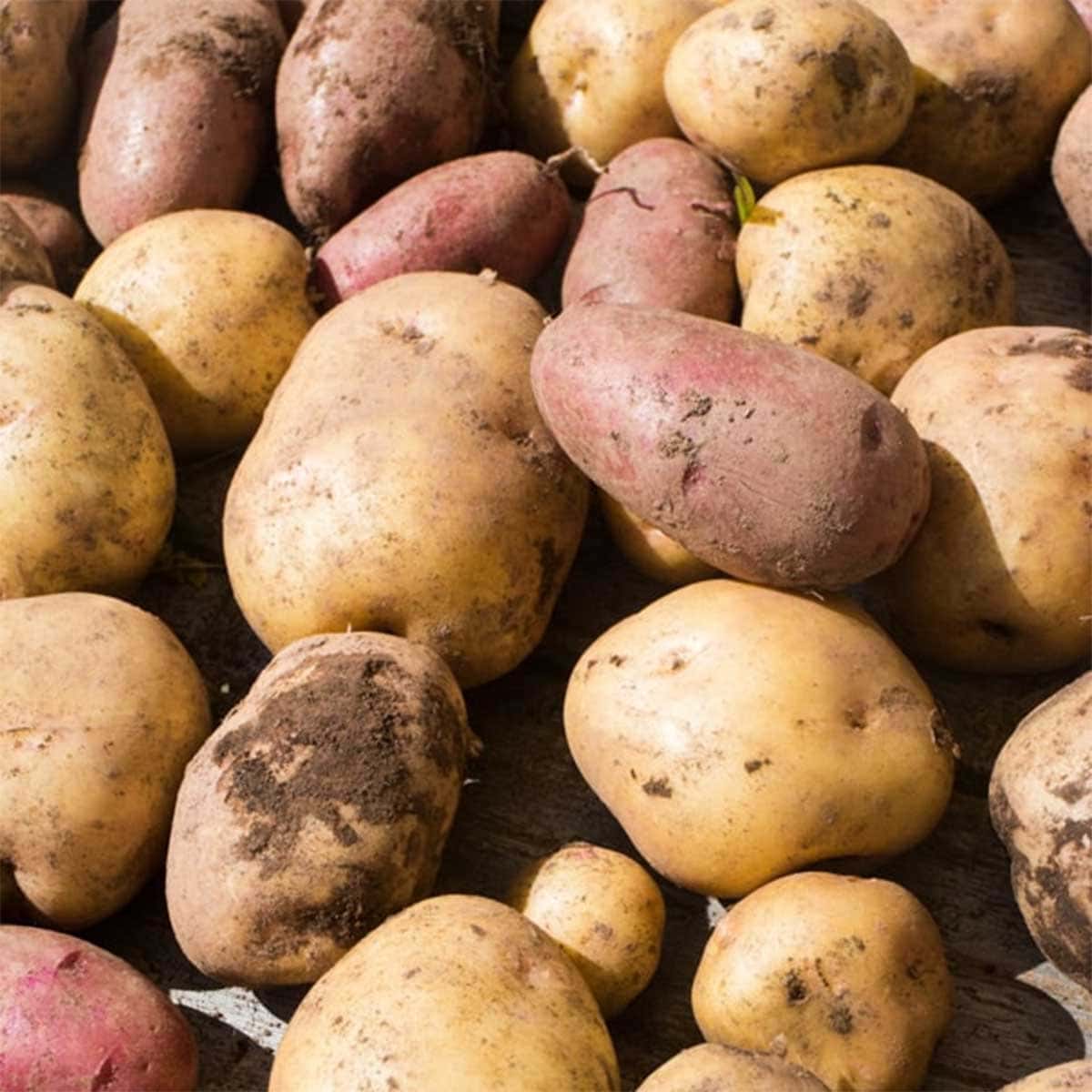
And then, just a little deeper, the shovel hit something firm. Ta-da! There they were! Dozens of beautiful, healthy potatoes, nestled perfectly beneath the soil, just waiting to be unearthed. It was a treasure hunt, pure and simple, and the bounty was astounding. Red potatoes, golden Yukons – all thriving, despite our absolute lack of intervention. Some were impressively large, others perfectly sized for boiling or roasting. This truly proved that
we planted potatoes and came back 3 months later to a harvest beyond our wildest, least-effort dreams.
Why Potatoes Are Uniquely Resilient and Easy to Grow
So, what makes potatoes such an incredibly forgiving crop? Their success lies in their fundamental nature as root vegetables (more accurately, tubers). Unlike many other vegetables that require constant above-ground care, potatoes grow and develop *underground*. This provides several natural advantages that contribute to their "no-nonsense" growing reputation:
- Underground Protection: The soil acts as a natural insulator, protecting the developing tubers from temperature extremes, direct sunlight (which causes greening and bitterness), and many pests.
- Water Access: Potatoes are remarkably efficient at drawing moisture from the soil. Even without supplemental watering, their root systems can tap into deeper reserves, especially in established garden beds. While consistent moisture does improve yield, our experiment shows they can survive periods of drought.
- Nutrient Scavengers: Given decent soil, potatoes can find the nutrients they need to grow, storing energy efficiently in their tubers.
- Natural Growth Cycle: Most potato varieties mature in approximately 90 days, aligning perfectly with the three months our plants spent unattended. This relatively short, self-contained growth cycle minimizes the window for extensive care.
While other "easy" vegetables like radishes or lettuce offer quick gratification, potatoes provide a substantial, calorie-dense harvest with arguably even less active involvement once planted. Their natural resilience makes them ideal for busy gardeners, remote plots, or anyone looking to minimize garden chores without sacrificing delicious, homegrown produce.
Maximizing Your Potato Harvest (Even with Minimal Effort)
While our experiment proved potatoes thrive on neglect, a little attention can certainly boost your yield and quality. If you *do* have the time and inclination, here are a few tips to maximize your potato bounty:
- Choose Certified Seed Potatoes: Always start with disease-free certified seed potatoes, not grocery store potatoes which may carry diseases or be treated to prevent sprouting.
- Proper Planting: Plant seed potatoes (or pieces with "eyes") about 4-6 inches deep in loose, well-draining soil. Space them 10-12 inches apart in rows 3 feet apart.
- The Art of Hilling (Mounding): This is the most crucial step for increasing yield. As potato plants grow, mound soil (or straw/compost) around the base of the stems, leaving only the top few inches of foliage exposed. Repeat this 2-3 times as the plant grows, creating a hill. Hilling prevents sun exposure to developing tubers (keeping them from turning green and toxic), encourages more tubers to form along the stem, and supports the plant.
- Consistent Watering: While they can survive without it, potatoes benefit greatly from consistent moisture, especially during flowering and tuber development. Aim for about 1 inch of water per week, either from rain or irrigation.
- Soil: Potatoes prefer slightly acidic (pH 5.0-6.0), well-draining, loamy soil rich in organic matter. Amend heavy clay soils with compost.
- Sunlight: Ensure your potato patch receives full sun – at least 6-8 hours a day.
Even if you can only manage planting and *some* hilling, you'll likely see a significantly larger harvest than if you do nothing at all. But rest assured, as our experience shows, even the bare minimum can lead to a delightful discovery!
Do Potatoes Return Each Season? Understanding Their Growth Cycle
A common question for new potato growers is whether these prolific plants will grow back each season or need to be replanted. This delves into the distinction between annuals and perennials. While potatoes (
Solanum tuberosum) are technically perennials in their native Andes, where they’ve been cultivated by the Incan people for thousands of years, they are generally grown as annuals in most temperate climates.
If you leave potatoes in the ground over winter, especially in milder zones, some may indeed survive and sprout again in the spring. These are often referred to as "volunteer" potatoes. However, relying on volunteers isn't usually the best strategy for a robust harvest. Why?
- Disease Accumulation: Potatoes left in the ground are more susceptible to overwintering diseases and pests, which can then infect subsequent crops.
- Reduced Vigor: Volunteer plants may not be as vigorous or productive as those grown from fresh, certified seed potatoes.
- Quality Control: You lose control over variety selection and proper spacing, which impacts overall yield and tuber size.
Therefore, while the potato's rich history, from its Andean origins to its spread across Europe and its integral role in cuisines worldwide (think Italian gnocchi, American French fries, or Chilean Milcoa), speaks to its adaptability, for optimal results, it's best to replant fresh seed potatoes each spring. For more in-depth insights into their seasonal cycle and why replanting is often preferred, explore
Grow Potatoes Effortlessly: Do They Return Next Season?
Conclusion: Plant, Forget, and Be Amazed!
Our potato experiment unequivocally proves that these versatile tubers are not just easy to grow, but perhaps the *easiest* vegetable for a truly hands-off gardening experience. The sheer joy of digging through the soil and unearthing dozens of plump potatoes, knowing we did virtually nothing to cultivate them, was an incredible reward. This coming year, we're even considering dedicating two beds to potatoes, confident that Mother Nature, with a little help from some well-placed seed potatoes, will deliver once more. If you've been hesitant to try your hand at gardening, or are simply looking for a rewarding, low-effort crop, potatoes are your answer. Now, the fun part begins: what delicious recipes will we make with our unexpected bounty? Do you have any suggestions for our Red and Yukon potatoes?